
Last week we talked about why balanced nutrition is essential for long-term health. This week, let’s take the next step—what does balanced eating actually look like in real life?
A balanced plate doesn’t require complicated calculations or extreme restrictions. In fact, the most effective approach is often the simplest.
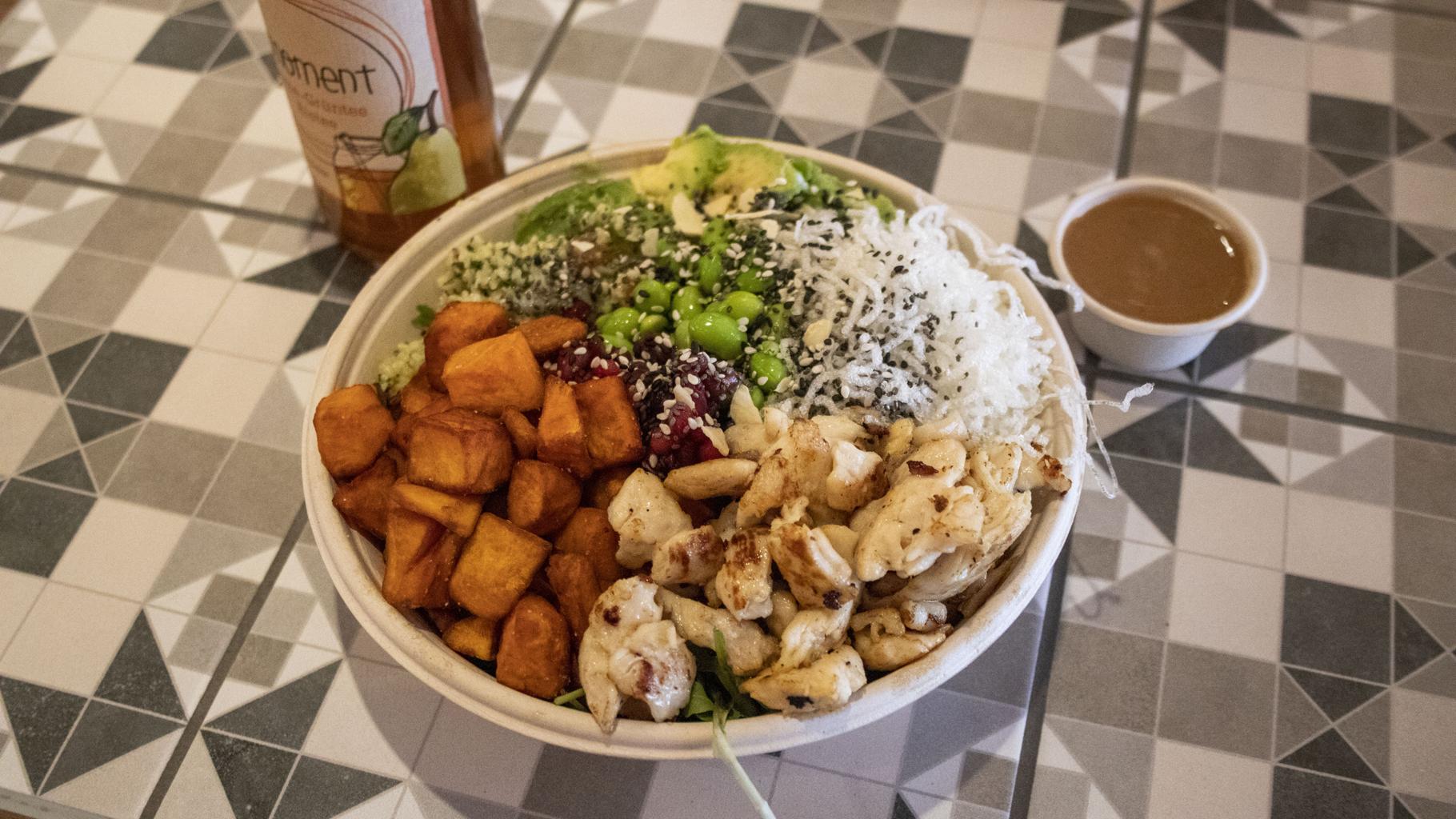
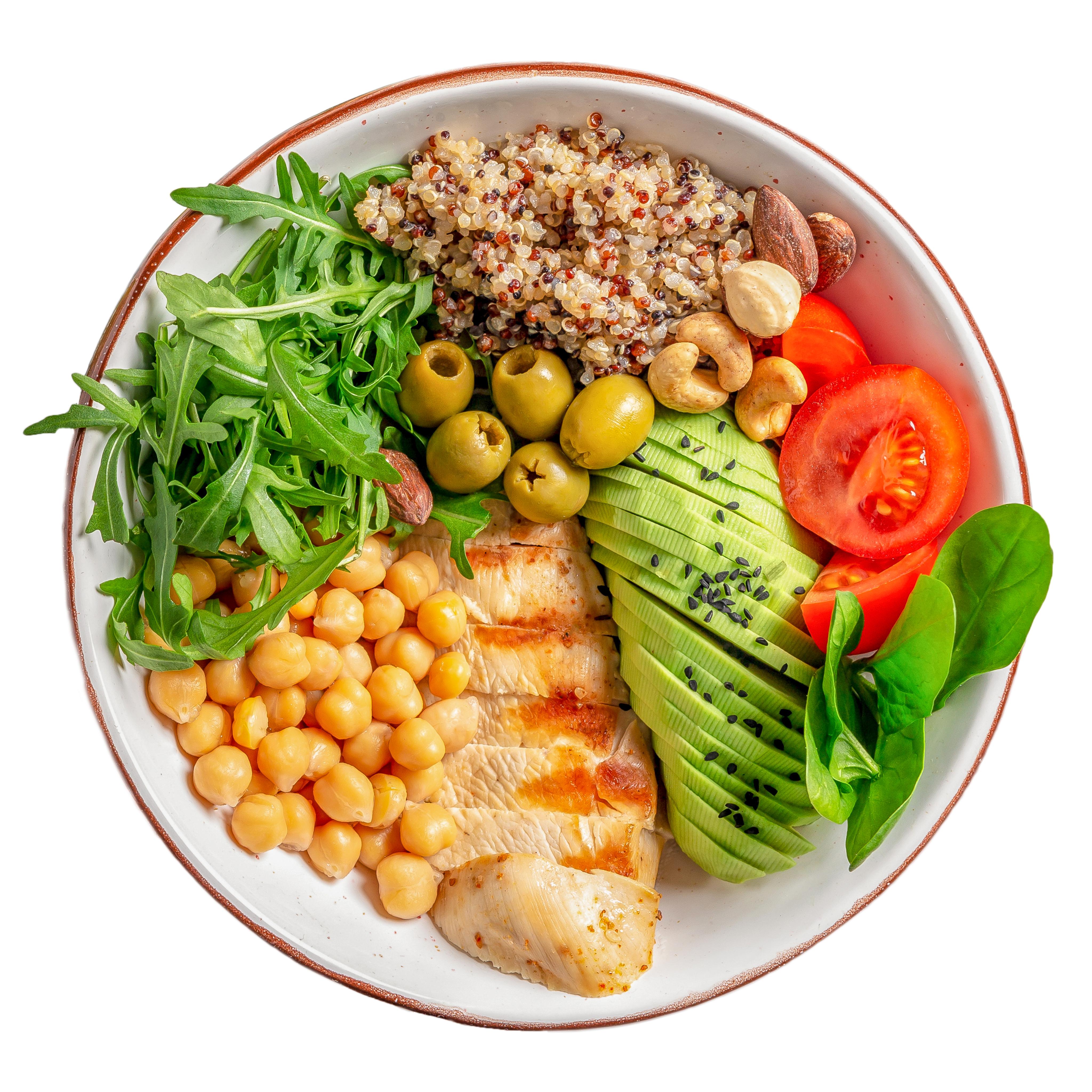
Start by thinking about each meal as a combination of three main components: protein, carbohydrates, and healthy fats.
Protein is one of the most important nutrients for maintaining muscle, supporting recovery, and keeping you feeling full longer. Foods like chicken, fish, eggs, lean beef, Greek yogurt, and plant-based options like beans or tofu are excellent choices.
Carbohydrates often get a bad reputation, but they are your body’s primary fuel source. They provide the energy needed for workouts, daily movement, and even brain function. Whole grains, fruits, vegetables, potatoes, rice, and oats are all great options.
Healthy fats help regulate hormones, support brain health, and improve nutrient absorption. Avocados, nuts, seeds, olive oil, and fatty fish are excellent sources.
A simple way to structure meals is using the balanced plate method:
• Half your plate: vegetables or fruits
• One quarter: lean protein
• One quarter: quality carbohydrates
• Add a small portion of healthy fats
This structure helps ensure your body receives the nutrients it needs without overcomplicating the process.
Consistency matters more than perfection. Many people fall into the trap of trying to eat perfectly for a few weeks before burning out. Instead, aim for progress. Balanced meals most of the time will always beat extreme restriction followed by overeating.
Planning also plays a major role in success. Preparing meals ahead of time, keeping nutritious foods available, and understanding portion balance can prevent last-minute unhealthy choices.
And once again, support makes a difference.
Having a coach or nutrition program helps you stay accountable, adjust when needed, and stay focused on long-term goals rather than quick fixes.
Balanced nutrition isn’t about eating perfectly—it’s about building habits that work with your life, not against it.
Next week we’ll talk about something many people don’t realize: your nutritional needs change as you age, and learning to adjust can make a huge difference in long-term health.